0
Your cart is empty
Recycled plastics are no longer a niche purchase. Converters, compounders and brand owners now buy rPET, rHDPE, rPP and PVC as core feedstock, and many source across borders to secure volume and price. But cross-border recycled material carries risks that virgin resin does not: variable quality, inconsistent documentation, and import rules that differ from one port to the next.
After eleven years of buying and reselling recycled plastics across Asia, the Middle East, the US, India and Vietnam, we have seen most of the ways a shipment can go wrong. The good news is that most of them are preventable — before the contract is signed. This checklist sets out what we check, and what we recommend every buyer checks, before committing to an international recycled plastics purchase.
Most problems in this trade start with a vague spec. "PET bottle scrap" or "HDPE regrind" means different things to different suppliers. Before you request offers, put the following in writing:
A spec written in numbers gives both sides something to verify against. A spec written in adjectives gives both sides something to argue about.
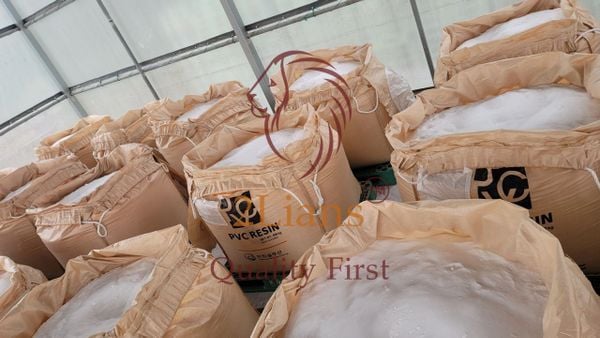
An attractive price from an unknown supplier is a question, not an opportunity. Before the first order, check:
At 2Lians we only buy from suppliers we have verified ourselves, and we treat verification as ongoing, not a one-time box to tick.

A sample taken from the best bale in the yard tells you very little. Ask for wide shots of the actual stacked lot, close-ups of cut bales or open bags, and samples drawn from several bales or bags. For pellets, ask for a lab report covering at least MFI, moisture and ash. Then compare what you receive against your written spec — not against your expectations.

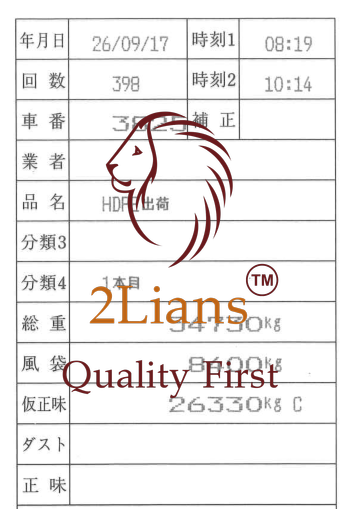
Pre-shipment inspection is the cheapest insurance in this trade. An independent inspector, or your trading partner's own QC team, should confirm that the material matches the spec and the approved sample, that weights and bale counts are correct, and that every container is photographed during loading with its container and seal numbers recorded.
Once a container has sailed, any quality issue becomes a cross-border claim: slower, costlier and harder to resolve than a problem caught at the loading point.

Recycled plastics move under closer scrutiny than virgin resin. Since 1 January 2021, the Basel Convention plastic waste amendments have required prior informed consent for many mixed or contaminated plastic waste shipments, while clean, sorted material destined for recycling generally moves more freely. On top of that, many importing countries apply their own licensing, inspection or importer-registration rules — and those rules change.
A typical file includes the commercial invoice, packing list, bill of lading, certificate of origin and a pre-shipment inspection certificate, plus any import permit or declaration the destination requires. Confirm the full list for the destination port before the booking, not after the vessel departs.
Be clear about where risk passes from seller to buyer. FOB keeps freight and insurance in the buyer's hands; CFR and CIF shift them to the seller. Payment terms should reflect how well both parties know each other: a deposit with the balance against a copy of the bill of lading is common between established partners, while a letter of credit offers more protection in a new relationship.
Just as important, agree in writing what happens if quality at destination does not match the contract: the accepted tolerance, the evidence required, whether a joint survey applies, and the deadline for raising a claim.

A cheap freight rate can become an expensive shipment. Check how much weight a container can realistically carry given the bale density, how many free days apply at the destination port, what demurrage and detention will cost if customs clearance is slow, and whether the transit time fits your production schedule.

The most reliable recycled plastic supply comes from relationships with a track record. Each repeat shipment builds a shared understanding of spec, tolerance and documentation that no contract can fully capture. That is also why it matters who stands behind the trade: a partner that buys and resells material in its own name has its capital and reputation on every shipment, so its interests are aligned with yours.
2Lians Recycling buys and resells rPET, rHDPE, rPP, PVC and other recycled grades across Asia, the Middle East, the US, India and Vietnam. We take on the material and the risk ourselves, and we handle the steps in this checklist — supplier verification, quality control, documentation and logistics — as part of every trade, we can also support buyers who need material converted into pellets.

Looking to source or place recycled plastic volumes?
Contact us at info@2lians.com or on WhatsApp +65 8027 8585, and tell us your spec — we will tell you honestly whether we can meet it.
𝟐𝐋𝐈𝐀𝐍𝐒 𝐑𝐄𝐂𝐘𝐂𝐋𝐈𝐍𝐆 𝐏𝐓𝐄. 𝐋𝐓𝐃.
 Add: 111 North Bridge Road #08-18, Peninsula Plaza, Singapore 179098.
Email: info@2lians.com
Whatsapp: +65 8027 8585
𝐉𝐨𝐢𝐧 𝐰𝐢𝐭𝐡 𝐮𝐬 𝐟𝐨𝐫 𝐭𝐡𝐞 𝐧𝐞𝐰𝐞𝐬𝐭 𝐮𝐩𝐝𝐚𝐭𝐞𝐝: